Overnights: Finish the Day Well
Where you sleep shapes how well you ride the following morning. A picturesque historic hotel in the pedestrianized centre of an old medieval town looks appealing on a booking site—until you arrive at 17:30 in pouring rain, discover that motorcycles are barred from the cobbled square, and have to haul forty pounds of panniers and helmets six hundred metres up stone steps from an unmonitored public car park.
Independent touring riders benefit from evaluating overnight stops through a rider-specific lens: ground-level access, hard-standing side-stand surfaces, sightline security, drying facilities, and walking-distance food so the helmet stays off once the engine cools.
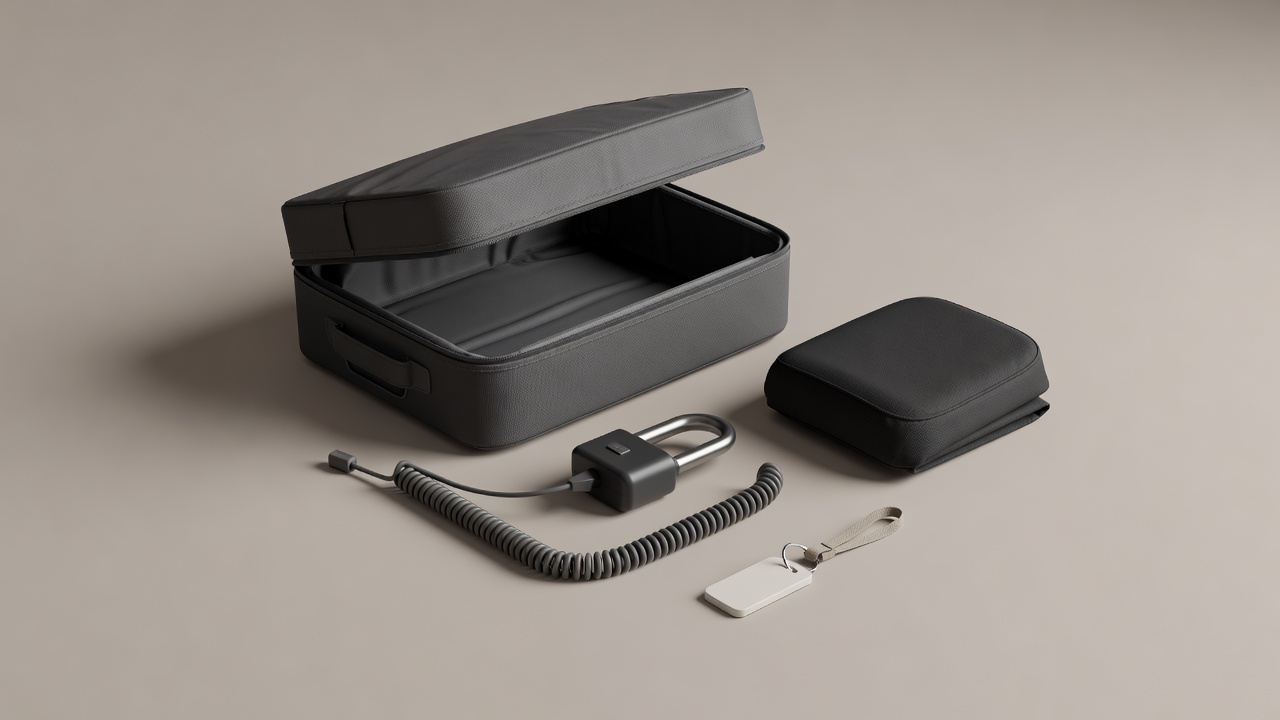
Overnight Lodging Comparison Panel
Different stages call for different accommodation styles. Many experienced riders alternate between practical roadside inns on wet or high-mileage days and established rider-oriented lodges or cabins at multi-night hub towns.
| Accommodation Type | Parking & Unloading Advantage | Key Drawbacks to Verify | Ideal Stage Use Case |
|---|---|---|---|
| Drive-Up Motor Courts & Independent Motels | Park two metres from your ground-floor door on level asphalt; unload in under three minutes; easy chain maintenance access. | Open forecourts facing highway traffic; carry a breathable half-cover and alarmed disc lock to block casual street visibility. | Transit stages, late afternoon arrivals, or solo riders carrying soft luggage. |
| Alpine Gasthöfe & Rider-Partner Inns (e.g. MoHo / Tourenfahrer network) |
Dedicated locked garages, heated boot/suit drying rooms, visor wash stations, and hosts who know local pass conditions. | Higher nightly rates and earlier kitchen closing times in small mountain villages (often 20:00 sharp). | Two- or three-night basecamps in the Alps, Dolomites, Pyrenees, or Scottish Highlands. |
| Motorcycle-Only Campgrounds & Cabins (e.g. Blue Ridge / Appalachian hubs) |
Covered pavilions, fire pits, basic workshop bays for tyre changes, and quiet rules tailored to early-rising riders. | Dew and condensation on tents slow down morning pack-up by 45 minutes unless renting a dry wooden sleeper cabin. | Fair-weather scenic loops where social route sharing is part of the trip. |
| Suburban Business Hotels | Often feature underground barrier-controlled garages out of the weather and 24-hour reception desks. | Long elevator walks with luggage; painted concrete garage ramps can be treacherously slick when wet. | Bad-weather bailout stops along major motorway bypass corridors. |
Pre-Booking vs. Same-Day Flexibility
Locking in non-refundable accommodation for every single night of a ten-day tour forces you to ride into thunderstorms or push past fatigue just to protect a deposit. Conversely, riding with zero reservations during the August European holidays or autumn foliage weekends along the Blue Ridge Parkway can leave you searching for beds after dark.
- The 11:00 Coffee-Stop Rule: On flexible touring days, stop for morning coffee around 10:30 or 11:00. By then you know the day's real weather, your energy level, and your actual moving speed. Book that evening's room six hours ahead for a town 120–150 miles down the road.
- Pre-Book Only the Bottlenecks: Reserve Saturday nights, ferry terminal ports (such as IJmuiden, Newcastle, Hull, or Port aux Basques), and remote national park corridors in advance—always selecting rates with free cancellation up to 16:00 or 18:00 on the day of arrival.
- Satellite View Surface Check: Before confirming any rural guesthouse, switch your map app to satellite view to inspect the driveway gradient and surface. Deep pea-gravel courtyards on a 12% slope are miserable on a 260 kg touring bike with wet boots.
The Five-Minute Arrival Ritual
Before taking off your helmet at your overnight stop, complete three quick habits that save time at dawn: top up the fuel tank at the last station entering town (so cold condensation cannot form in an empty tank overnight and you start the morning with full range), park the motorcycle in first gear facing its exit path, and fit a lightweight dark half-cover over the handlebars and luggage racks. A simple cover keeps morning dew off the seat and hides GPS mounts and soft bag straps from passers-by.
Still weighing specific gear or planning details? Browse our Trip Answers page for direct solutions to common touring uncertainties.